
Quick answer: SUV and pickup dash cam installations often take longer because the vehicle is physically larger and the rear-camera path is more complicated. A clean job may require extra cable planning, moving-hatch testing, weather-safe exterior routing, careful trim work and a vehicle-specific power check—not simply more minutes attaching cameras. See those constraints in a real project: our 2025 Toyota Tacoma Hybrid dash cam and tailgate camera installation.
Large-vehicle installation at a glance
5
major time drivers
2
camera endpoints to test
6
quote details that prevent delays
The best estimate starts with the exact vehicle, camera system and coverage goal. A two-row SUV with a fixed rear window is not the same project as a three-row SUV with a powered liftgate, and a crew-cab pickup with a sliding rear glass is different again.
Get an accurate SUV or truck installation quote
Send the vehicle year, make, model, cab or body style, camera model and whether you want parking mode. DashcamCraft will scope the route before confirming the appointment.
Five reasons larger vehicles take more installation time
1. The rear-camera cable has farther to travel
A front-and-rear system must connect two cameras without leaving loose wire across the cabin. In a longer SUV or pickup, the route may cross more trim panels and require more planning around seat-belt anchors, side-curtain airbag zones and factory wiring. The supplied cable must be long enough for the safe route—not merely the shortest visible line.
2. Liftgates and tailgates move
An SUV rear camera may sit on glass inside a liftgate. The cable has to move through the full opening cycle without pulling, pinching or rubbing. Pickup installations may use rear glass, a canopy, the cab exterior or a weatherproof camera, each with different sealing and service considerations.
3. Rear-window geometry changes the view
A steep SUV window, privacy glass, rear wiper sweep, defroster lines and a sliding pickup window can affect placement. The camera angle should be checked on the saved recording, not judged only from the mount.
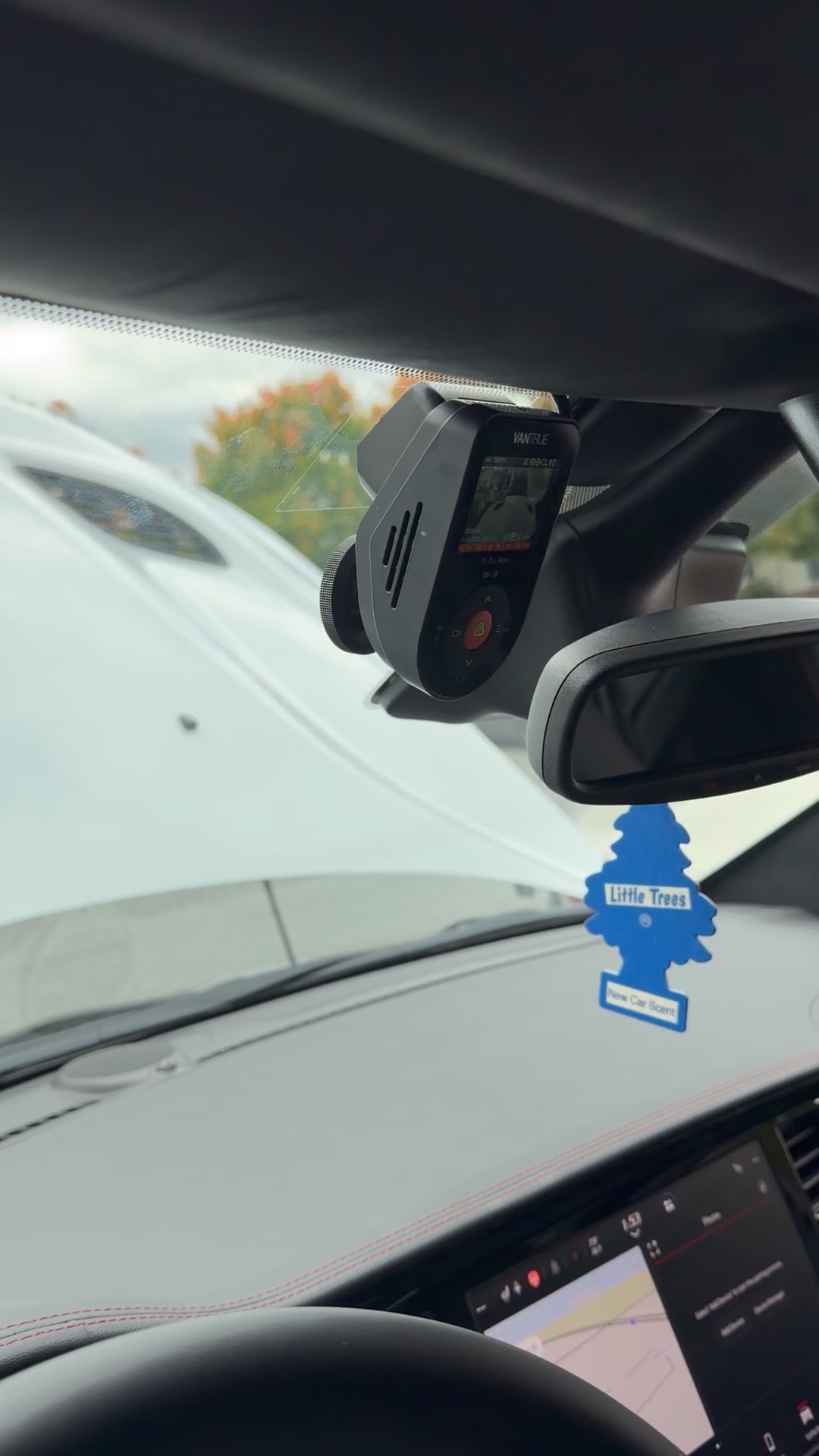
4. Power access is vehicle-specific
Parking mode normally requires an appropriate hardwire kit and verified circuits. Fuse position, circuit behavior and the safest path into the cabin vary by vehicle. Photographs can document an installation, but they are not wiring diagrams and should never be copied as fuse instructions.
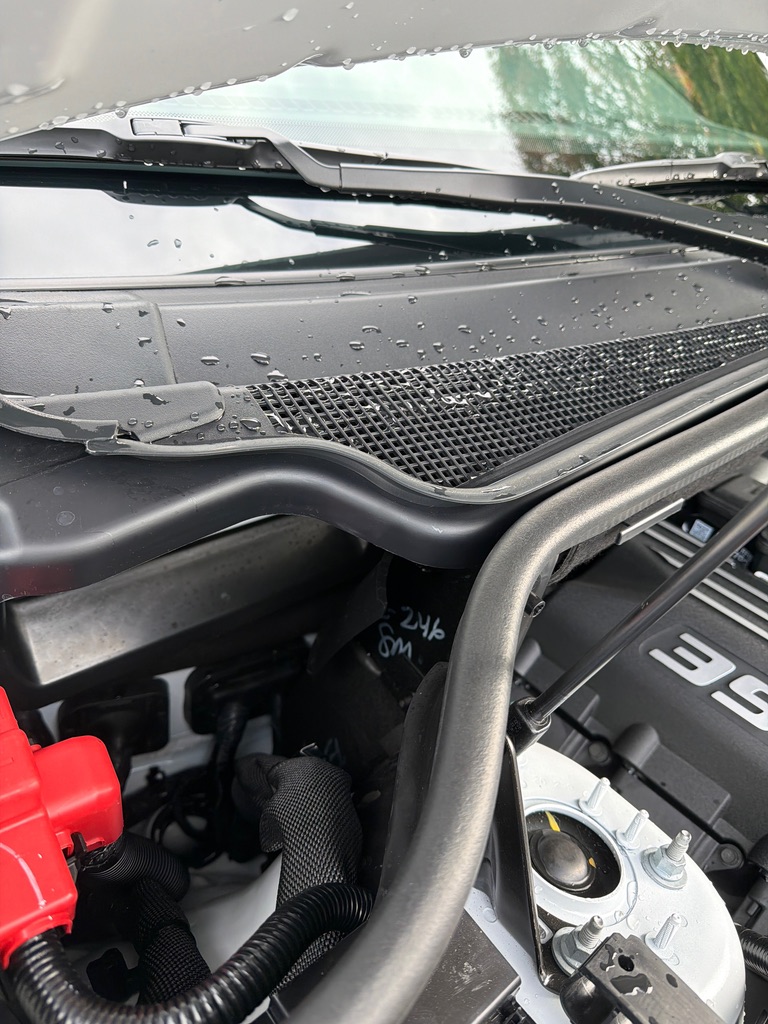
5. Testing and reassembly take time
A high-quality handover includes front and rear playback, date and time confirmation, memory-card recognition, ignition-on behavior and—when requested—parking-mode transition. Trim and weather seals also need to be restored without rattles, gaps or trapped cable.
SUV vs pickup installation planning
| Planning point | SUV | Pickup truck |
|---|---|---|
| Rear-camera location | Usually upper rear glass or liftgate glass | Rear glass, canopy glass or weatherproof exterior position |
| Moving section | Powered or manual liftgate | Sliding glass, tailgate or canopy door |
| Cable route | Long roofline and hatch transition | Cab route may require an exterior transition |
| Common decision | Interior rear camera vs liftgate placement | Interior camera vs waterproof exterior camera |
| Quote detail to provide | Rows, liftgate type and camera model | Cab length, bed/canopy and camera model |
What should be confirmed before the appointment?
- Exact vehicle: year, make, model, trim and body or cab configuration.
- Camera package: front only, front and rear, cabin, or multi-channel.
- Rear-camera type: interior camera or waterproof exterior camera.
- Power goal: ignition-only recording or parking surveillance.
- Existing accessories: mirror electronics, radar detector, powered steps, canopy or aftermarket wiring.
- Evidence goal: road incidents, parked-vehicle events, cabin activity or fleet oversight.
How long will the installation take?
A reliable time estimate should follow a vehicle and equipment review. Asking for one universal number encourages shortcuts because a compact SUV, full-size three-row SUV and crew-cab pickup do not present the same cable path. DashcamCraft confirms the installation scope after reviewing the exact setup.
For a real-world example, see the 2026 Dodge Durango Vantrue installation study. You can also review our professional dash cam installation service and installation quote estimator.
Plan the route before the appointment
A few accurate details prevent wrong cable assumptions, missing accessories and rescheduling. Request a vehicle-specific recommendation and quote today.