
New Jersey Dash Cam Laws: Windshield Placement and Audio
A practical guide to New Jersey’s driver-vision rule, participant-consent provision and safer installation planning for personal, rideshare and fleet vehicles.
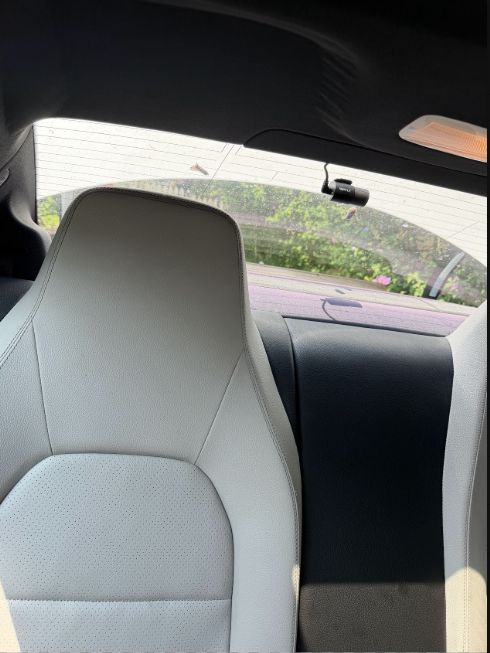
New Jersey focuses on nontransparent material and driver vision
The statute does not provide the same dash-camera-specific behind-the-mirror wording found in Virginia. A compact position with minimal visual footprint may reduce practical obstruction, but it should not be described as a statutory dash cam exemption.
What a careful New Jersey installation considers
Driver vision
Check the full camera footprint, adhesive pad, connector and cable from the seated driving position.
Existing windshield items
Preserve the inspection sticker area and do not crowd toll equipment, factory cameras, tint boundaries or sensor housings.
Recorded evidence quality
Test lens alignment, reflections and the rear view before final adhesion. A poorly positioned camera may be both distracting and ineffective.
Heat and adhesion
Use a mount intended for automotive glass and confirm the camera remains stable after cabin heat cycles.
New Jersey provides a participant-consent exception
N.J.S.A. 2A:156A-4 includes an exception for a person who is a party to the communication or where one party has given prior consent, provided the interception is not used for a criminal, tortious or other injurious act. That rule does not answer every privacy, employment or platform-policy question.
- Tell drivers and passengers when cabin audio is enabled.
- Disable the microphone when audio provides no necessary benefit.
- Document who can retrieve, download and share clips.
- Use the more conservative Maryland approach when operating across state lines.
Build a repeatable recording policy
- Identify front, rear and cabin coverage separately.
- Record the microphone setting for each vehicle.
- Use visible notice appropriate to the use case.
- Restrict account access and change default passwords.
- Define how an incident clip is preserved before loop recording overwrites it.
- Review settings after app, firmware or camera replacement.
Statutory text and official portal
N.J.S.A. 39:3-74 — current windshield and driver-vision text published by a legal code database.
N.J.S.A. 2A:156A-4 — New Jersey Legislature statute portal, lawful interception exceptions.
After a New Jersey collision: Follow the Dashcam Emergency Evidence Kit guide to preserve original footage and prepare a clean copy for appropriate recipients.
This is educational installer guidance, not legal advice. Check the latest New Jersey statutes and obtain qualified advice when a legal conclusion is required.
Discuss an NJ installationSend vehicle details