
Maryland Dash Cam Laws: Mounting, Audio and Installation
A practical, source-linked guide to windshield placement, cabin audio and professional dash cam installation decisions for Maryland drivers.
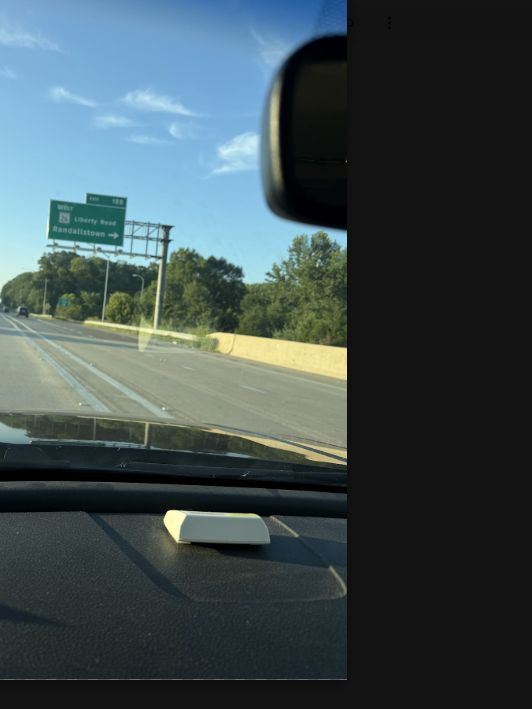
Dash cams are usable in Maryland, but placement and audio need separate decisions
Maryland’s vehicle code focuses on whether an object, material or obstruction interferes with the driver’s clear view. The same section also describes limited areas where certain nontransparent material may be placed, including above the AS-1 line or within a seven-inch square in a lower windshield corner. Those size rules should not be treated as a universal permission for every camera mount.
How to choose a lower-risk mounting position
Check the driver’s real eye line
Evaluate the camera from the seated driving position, not only from outside the vehicle. The mount, screen, connector and hanging cable all count toward the practical obstruction.
Keep safety hardware clear
Do not cover the forward camera housing, rain sensor, toll device, inspection material or the swept viewing area needed by the driver.
Prefer concealed wiring
Route cable along an appropriate edge without creating a dangling line across glass. Airbag areas and moving trim need special care.
Test the recorded view
A hidden camera is not useful if the mirror housing blocks the lens. Verify horizon, glare, hood coverage and rear-camera alignment before final adhesion.
Maryland’s consent rule deserves special attention
Maryland Courts and Judicial Proceedings §10-402 generally makes interception unlawful and includes an exception for a participant only where all parties have given prior consent. For rideshare, family, fleet and service vehicles, an always-on microphone can therefore create a different legal question from forward-facing video.
- Decide whether audio is necessary before installation.
- If it is not necessary, disable the microphone and confirm the setting after every firmware reset.
- If audio is used, obtain appropriate consent and use clear notice suited to the vehicle’s purpose.
- Do not assume that being the driver automatically resolves consent.
Information to document before the mount is attached
Vehicle
Year, make, model, body style, sensor housing and any existing windshield equipment.
Camera
Channel count, screen orientation, lens position, adhesive footprint and connector direction.
Power
Outlet or compatible hardwire kit, parking-mode requirement and low-voltage cutoff plan.
Privacy
Microphone setting, cabin camera coverage, notices and who will be allowed to access footage.
Read the governing text
Maryland Transportation §21-1104 — driver view and windshield obstruction provisions.
Maryland Courts and Judicial Proceedings §10-402 — interception and consent provisions.
After a Maryland collision: Follow the DashcamCraft evidence-preservation workflow to protect the original file and document its context before sharing a copy.
This installer-focused summary is educational information, not legal advice. Rules, interpretations and vehicle-specific facts can change. Review the current statute or consult a qualified Maryland attorney for a legal determination.
Call 443 201 1259Plan a Maryland installation