
Virginia Dash Cam Laws: Placement, Audio and Live Streaming
A source-linked installer guide to Virginia’s behind-the-mirror placement rule, participant-consent provision and 2026 live-streaming distinction.
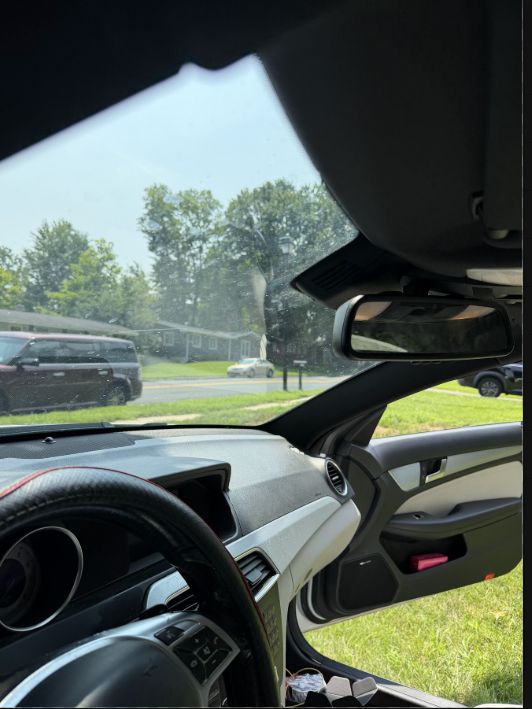
Virginia expressly addresses dashboard cameras
This is more specific than the general wording found in several neighboring jurisdictions. It gives a useful installation target, but it is not permission to place a large screen or exposed cable anywhere near the mirror.
Applying the behind-the-mirror rule
Seat-position check
Confirm concealment from the normal driver position. A mount that looks hidden from outside may remain visible to the driver.
Lens-position check
Keep the camera body concealed where practical while ensuring the lens is not blocked by tint dots, the mirror housing or sensor enclosure.
Wire-position check
Avoid a cable loop hanging below the mirror. Secure the lead immediately and route it without crossing the driver’s view.
Sensor and airbag check
Keep factory driver-assistance sensors, rain sensors, inspection material and curtain-airbag deployment paths clear.
Virginia law contains a participant-consent exception
Virginia Code §19.2-62 states that interception is not a criminal offense under that chapter when the person recording is a party to the communication or one party has given prior consent. The definition of oral communication also considers whether a person had a justified expectation that the conversation was not subject to interception.
For a vehicle business, that is not a reason to hide recording. Clear notice, a documented microphone policy and limited access remain better operational practices—especially for rideshare and fleet vehicles crossing into Maryland.
- Choose microphone on or off during handover.
- Record the choice on the installation checklist.
- Explain that firmware resets can restore default settings.
- Use explicit notice where employees, contractors or passengers are recorded.
Recording is different from live streaming while driving
Virginia Code §46.2-818.3 addresses live streaming while driving. The statute also states that it should not be construed to prohibit a dashboard camera that is not used for live streaming, or manufacturer and fleet safety systems that record video without transmitting real-time content.
Virginia statutes used for this guide
Virginia Code §46.2-1054 — dashboard camera placement and driver-view obstruction.
Virginia Code §19.2-62 — interception and participant consent.
Virginia Code §46.2-818.3 — live streaming while driving.
After a Virginia collision: Use our crash-footage preservation checklist to protect the original recording, retain context and create verified backups.
This is educational installation guidance, not legal advice. Review the current statutes and obtain legal advice for a definitive application to a particular vehicle or use.
Plan a Northern Virginia installSend camera details